

Eija-Liisa Ahtila - A Possible Image – of what is just becoming reality
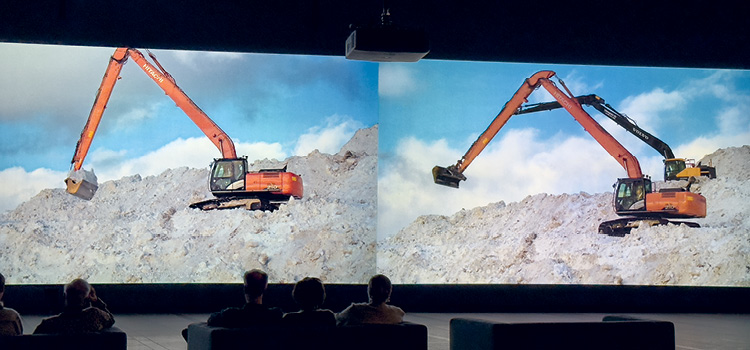
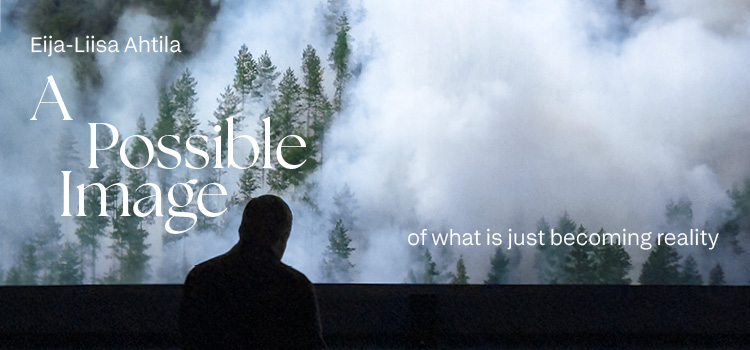
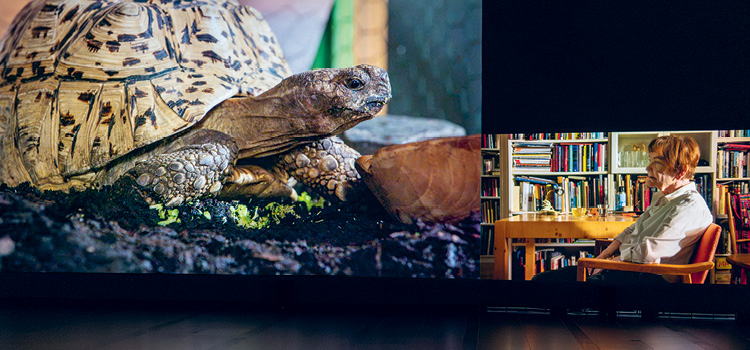
In the exhibition A Possible Image – of what is just becoming reality, Eija-Liisa Ahtila explores the interplay between humans and other forms of life within the ecological realm, and how we might understand change. Through large-scale, immersive film installations, visitors are invited into worlds where time and perception shift, and where the boundaries between the human and the more-than-human are set in motion.
The exhibition presents several newly produced film installations alongside works from the past decade. At the same time, the public artwork Ulleråker Madonna is being inaugurated.
Eija-Liisa Ahtila was born in 1959 and lives and works in Helsinki. In the 1990s, she established herself internationally through her psychologically charged works, which were shown, among other places, at MoMA in New York, Tate Modern in London, and twice at the Venice Biennale. Ahtila is a pioneering artist whose practice has been shaped by experiments with the moving image and its spatial presentation. Existential and everyday questions converge in a poetic form of storytelling that sometimes incorporates elements of magical realism.
In a new series of works, Ahtila turns her gaze towards ecological interconnections, the experiences of other species, and humanity’s place in the world. The title of the exhibition reflects an attempt to imagine other ways of living and coexisting – in a time marked by climate change and the loss of biodiversity.
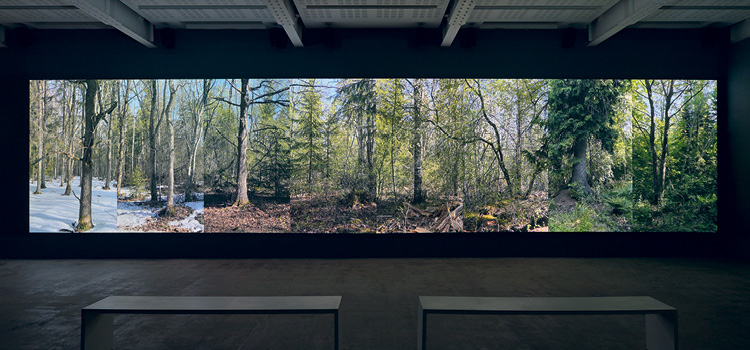
In the fifty-minute video installation Reflection of a Forest (2025), the forest emerges as a shared habitat for humans, animals, and trees – a model for how all life might unfold. Through large-scale projections and shifts between landscapes and close-ups, the work explores the cycles of nature, its vulnerability and resilience. Micro-narratives have emerged through encounters with sites in southern Finland. After a long period without spoken language, the work marks a return to spoken dialogue, this time between humans and the more-than-human.
In April (2024), the viewer is brought into close proximity with the natural forest through light, movement, and sound in a poetic, sensory-based installation.
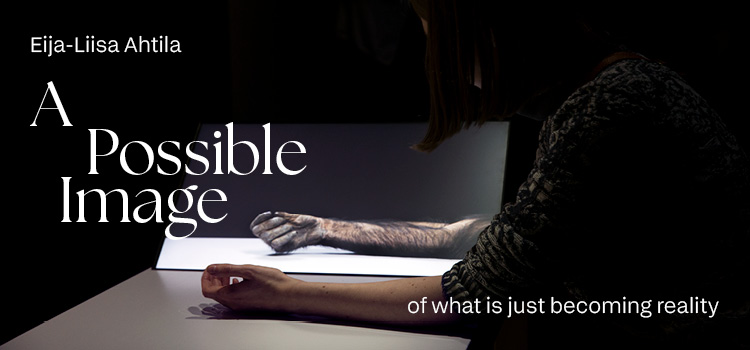
Potentiality for Love (2018) explores love, empathy, and interspecies attachment, raising questions about relationships, belonging, and reciprocity. At two research tables, visitors can investigate their own emotions and the boundaries they draw between themselves and others.
The permanent installation Ulleråker Madonna (2026) connects to the history and biodiversity of the Ulleråker area. Moving between healing and memory, the work draws attention both to the heritage of the site and to its threatened habitats.
Throughout the exhibition, questions recur about how we live alongside other species and how we might understand ourselves as part of a larger ecological context. There is also a quiet sense of hope – a hope for closeness, care, and new ways of imagining the future.
An accompanying catalogue will be produced for the exhibition, featuring extensive visual material, essays, and conversations.